Behavior09 August 2026
Why Do Cats Eat Grass? A Safer Way to Read the Pattern
Why cats eat grass is not a one-answer mystery. Check the plant, note vomiting and appetite changes, and know when to call a veterinarian.
TextPetzette Editorial
Read3 Min

Evidence status
Source-backed editorial
- Evidence record
- 5 claim cards linked to 4 documented sources.
- Independent expert review
- Not commissioned. Petzette Editorial is responsible for the published wording.
- Source record checked
- 09 August 2026
- Scope
- General guidance. Individual animals and circumstances can differ.
Why do cats eat grass? The useful first decision is not to guess one private reason. It is to work out whether the cat has chewed a known, appropriate plant, whether anything else has changed, and whether this is a moment to call for help. A nibble can be an ordinary-looking behavior, but it cannot make an unknown leaf safe or explain vomiting by itself.
A 2021 study in Animals used two owner surveys to examine plant eating in domestic cats. Only 6% and 9% of owners, respectively, reported that their cats frequently looked ill before eating plants. At the same time, 37% and 27% reported frequent vomiting afterward. Those group findings leave room for more than one pattern. They do not diagnose what is happening in one cat.
Start With the Plant, Not the Grass Story
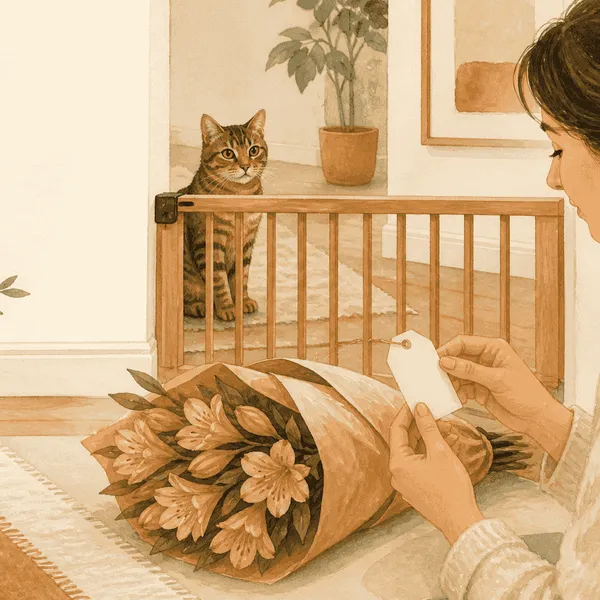
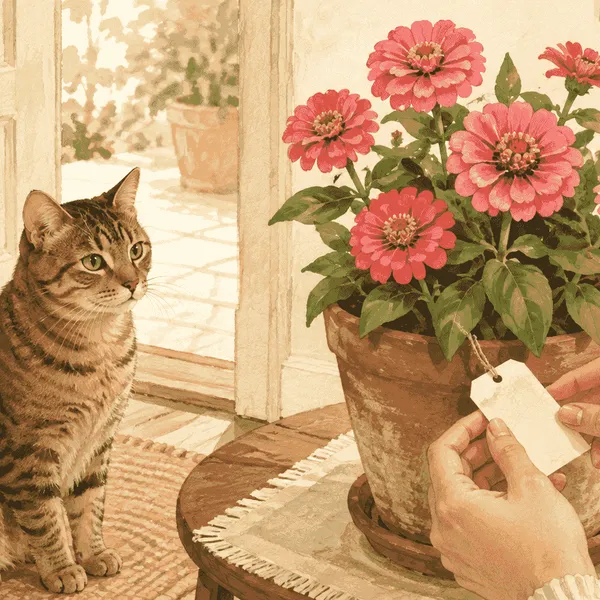
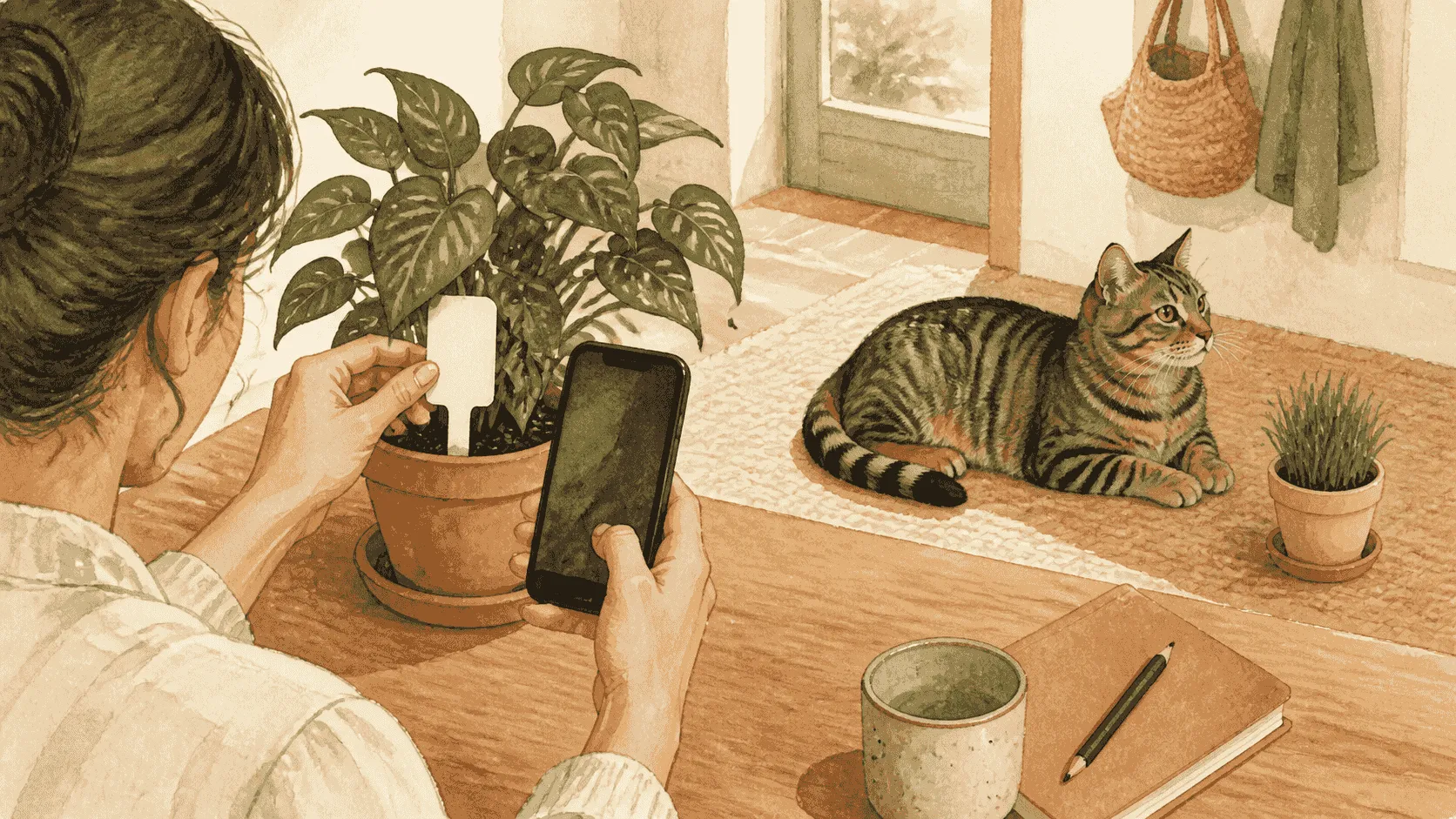
Before you decide that a cat is eating “grass,” identify what is actually within reach. A blade-like houseplant, a mixed pot, or an outdoor patch may not be the plant you think it is. Keep a label, take a clear photo, and move the cat away from the plant while you check. Our plant-safety checklist for cats and dogs can help organize that first look.
“Non-toxic” is also not a snack label. The ASPCA database distinction is useful when you have the exact plant name, but it does not promise that swallowed plant material will cause no gastrointestinal upset. It also cannot account for an uncertain identity or another item involved in the scene.
If the plant is unknown, possibly toxic, or not the only thing the cat may have swallowed, make the call first. Contact a veterinarian or animal poison-control service promptly and do not try to make the cat vomit unless a professional specifically directs it. A home experiment can remove the details a professional needs; a label or photo can preserve them.
Do Not Turn One Nibble Into a Diagnosis
The survey result does not support a rule that cats eat plants because they feel sick, and it does not support a rule that grass makes them vomit on purpose. A cat may look ordinary before a nibble and still need attention later if the overall pattern changes. The behavior and the cat’s condition are two separate observations.
Make a short, calm note instead of repeatedly offering grass to test a theory:
- What plant was available, and how certain is the identification?
- When did the chewing happen, and was anything else possibly swallowed?
- Has vomiting repeated, or have appetite, energy, drinking, litter-box habits, or comfort changed?
That note is more useful than an online percentage because it describes the cat in front of you. For a broader record of what to notice when a cat is vomiting, focus on frequency and the whole condition rather than color or one presumed cause.
Grass Is Not a Hairball Plan
It is tempting to treat grass as a built-in hairball remedy. The same 2021 study compared short- and long-haired cats and did not find support for that simple explanation: the groups did not show an evident difference in how often they ate plants. That does not tell you what caused a particular hairball or vomiting episode. It only means grass should not become a home treatment plan.
Keep hairballs, plant chewing, and vomiting as separate items in your notes. A cat who repeatedly vomits, seems weak or lethargic, eats less, has diarrhea, shows pain, has blood in vomit, or has other illness changes needs prompt veterinary advice. A possibly toxic plant or foreign object can make the boundary more urgent.
Use a Three-Question Next Step
When a cat chews grass, ask three questions in order: What was the plant? What else is happening? Who should help decide the next step? If the identity is clear and the cat is otherwise acting normally, record the pattern and keep checking the environment rather than assigning a reason. If identity is uncertain, symptoms repeat, or the cat is not otherwise well, contact a veterinarian or poison-control service instead of trying a remedy.
That approach leaves room for ordinary behavior without treating ordinary-looking behavior as proof. The safest answer to why cats eat grass is often a better question: what does this particular plant-and-cat situation need next?
Sources
Petzette's claim cards for this article point to the following scientific, veterinary, or animal-welfare sources.
- Cat Plant Eating Animals 2021: Peer-reviewed owner-survey study
- Spider Plant Poison-Control Classification And Name Check: Animal poison-control databases and veterinary manual guidance
- Feline Vomiting Evidence Review 2013: Peer-reviewed evidence-based clinical literature review
Batchelor DJ, Devauchelle P, Elliott J, et al. Mechanisms, causes, investigation and management of vomiting disorders in cats: a literature review. Journal of Feline Medicine and Surgery. 2013;15(4):237-265.
- Cornell Feline Vomiting And Household Hazards: Veterinary-school clinical and poison-safety guidance