Health Signals09 September 2026
Is Mint Toxic to Cats? Check the Plant Identity
Is mint toxic to cats? Learn how to match Garden Mint to Mentha sp., separate oils and foods, record exposure, and call a veterinarian.
TextPetzette Editorial
Read5 Min
Evidence status
Source-backed editorial
- Evidence record
- 2 claim cards linked to 2 documented sources.
- Independent expert review
- Not commissioned. Petzette Editorial is responsible for the published wording.
- Source record checked
- 09 September 2026
- Scope
- General information, not an individual diagnosis or treatment plan.
Is mint toxic to cats? The ASPCA Animal Poison Control Center lists its named mint entry, Garden Mint (Mentha sp.), as toxic to cats and dogs. The entry identifies essential oils as the toxic principle and lists vomiting and diarrhea with large ingestions. That is an important starting point, not a safe-amount calculator or a home-treatment plan.
The useful first-year decision is to identify what the cat could actually reach. “Mint” might mean a labeled plant, an uncertain lookalike, catnip, a prepared food, an essential-oil product, or a garden chemical stored nearby. Those are not one exposure question. For the wider identify-record-call sequence, start with the plants toxic to cats and dogs owner checklist.
Start With Mentha sp., Not the Word Mint
ASPCA’s page headed “Mint” gives Garden Mint as an additional common name and identifies the scientific name as Mentha sp. It classifies that named entry as toxic to cats and dogs. The entry also lists the family as Lamiaceae and identifies essential oils as the toxic principle.
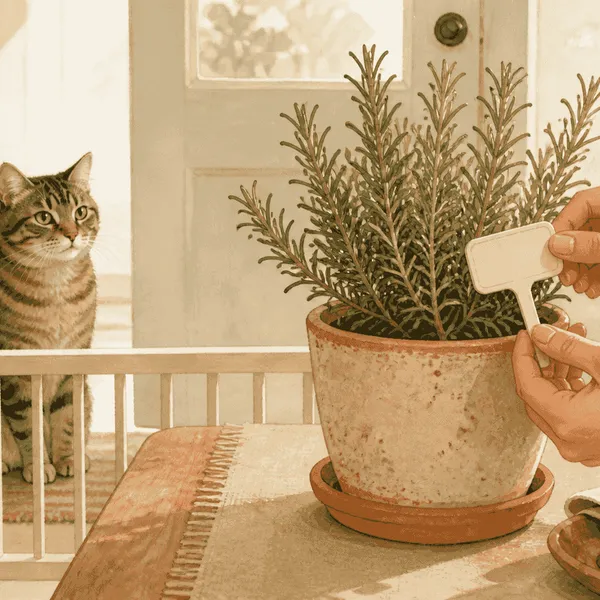
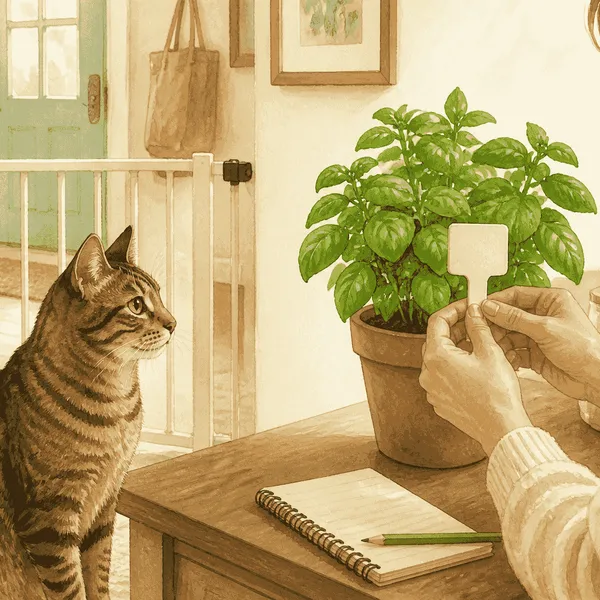
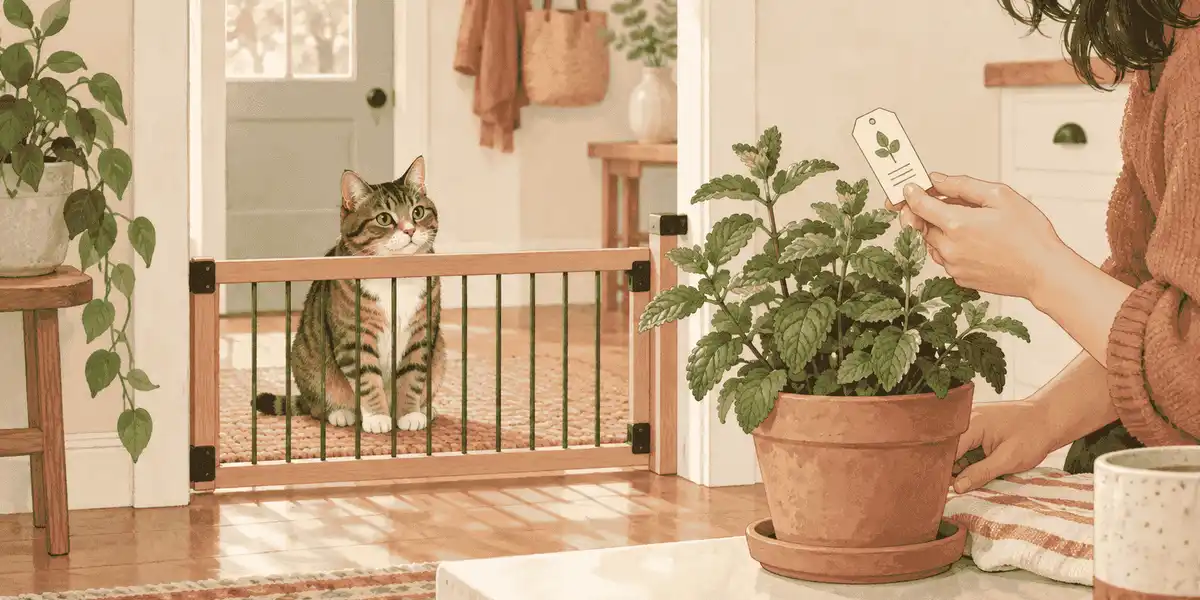
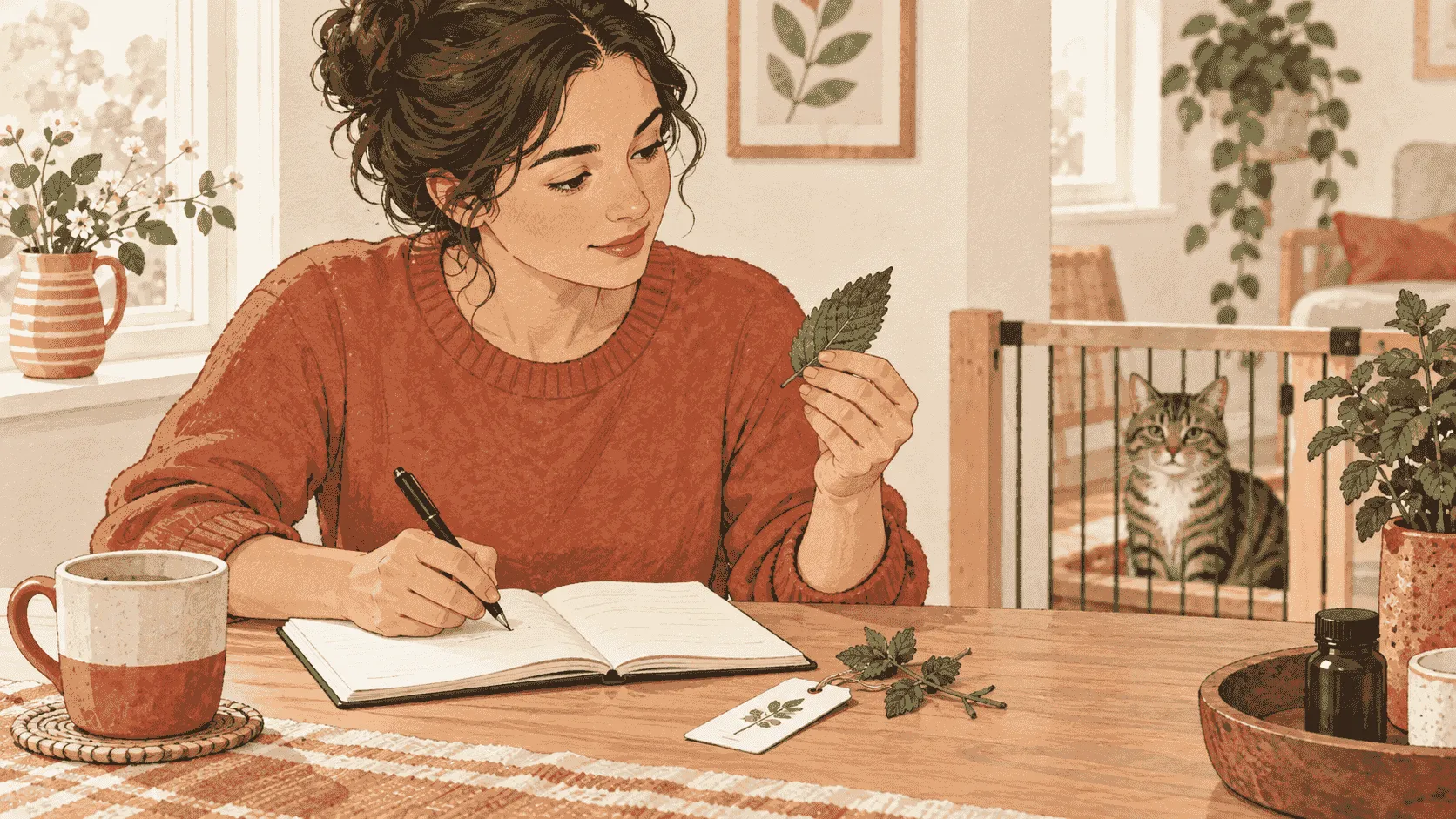
That botanical name is useful because common names travel. Catnip may be called catmint, and lemon balm may be described with the word mint, but a familiar word does not make two plants the same entry. An online photograph is also not enough to confirm an unknown plant. If the nursery tag, seed packet, or receipt is available, keep it with a clear photograph of the whole plant.
ASPCA’s broader plant-database guidance says its list is not all-inclusive and that individual plants can differ in appearance from listing photographs. Treat “I think it is mint” as an uncertainty to report, not as proof that the Garden Mint entry applies.
Why the Essential-Oil Note Changes the Question
The ASPCA mint entry identifies essential oils as the toxic principle. That detail does not turn a plant page into an oil-product treatment guide; it tells you to separate the named plant from concentrated or manufactured materials.
If the cat reached a bottle labeled essential oil, a diffuser, a fragrance product, an extract, or a supplement, keep the original package and describe that material when you call. Do not borrow the plant entry as reassurance, and do not assume that a mint-scented product contains the same material as a Garden Mint leaf.
The same boundary applies in the kitchen. A prepared dish, seasoning blend, tea, candy, or leftover may contain more than a named plant. Ingredient panels, packaging, and the rest of the recipe are part of that question. The cat human-food safety guide covers the separate decision about sharing household foods; this page stays with identifying a possible mint exposure.
Sort the Thing the Cat Could Reach
Before interpreting the word “mint,” put the material into one of these lanes:
- Named plant: a potted or garden plant that can be matched to Mentha sp.
- Uncertain plant: a plant known only by a photo, a casual common name, or a mixed container.
- Prepared food: a meal, treat, drink, seasoning, or ingredient mixture.
- Manufactured product: an essential oil, diffuser liquid, extract, supplement, cosmetic, or cleaner.
- Added garden material: fertilizer, pesticide, potting material, or another product stored with the plant.
The ASPCA classification applies to the named plant entry. It does not classify every item in those other lanes. A pot with Garden Mint and fertilizer beside it is not the same record as a leaf in a labeled herb pot. A mixed bouquet or planter may need more than one identity check.
Sorting is not a way to clear the exposure at home. It is a way to give the veterinarian or animal poison-control professional a more accurate starting point.
Make a Mint Exposure Record Without Guessing
If your cat may have chewed or swallowed mint, write down what is known and label the rest as unknown. A short note can include:
- the exact plant label, scientific name, or product name;
- whether the cat chewed, swallowed, licked, touched, or may only have approached it;
- the plant part or material involved;
- what appears missing, without inventing a precise amount;
- the known or estimated time; and
- your cat’s age, approximate weight, relevant health details, and current signs.
Move the remaining plant or product out of reach if you can do that safely. Keep the label, packaging, ingredient panel, or a photograph available. “Unknown” is useful exposure information; a confident guess can send the call toward the wrong material.
When a Mint Question Becomes a Professional Call
Contact your veterinarian or an animal poison-control service after a possible ingestion of a plant that may be Mentha sp., especially when the amount, timing, or identity is uncertain. Call as well when an oil, diffuser liquid, prepared food, or garden product may be involved, or when your cat is unwell.
ASPCA lists vomiting and diarrhea with large ingestions in its mint entry. Those signs do not provide a home diagnosis or tell you how much exposure occurred. A normal-looking cat does not turn an uncertain exposure into a confirmed safe one, and a sign list cannot predict an individual outcome.
The American Veterinary Medical Association’s pet first-aid guidance says to keep product information available and not induce vomiting or give medication unless a veterinarian or poison-control professional directs it. Do not use a household remedy, an online amount, or another plant’s advice as a substitute for that call. If your cat is having trouble breathing, swallowing, or staying responsive, seek urgent veterinary care rather than continuing a home identification exercise.
Make the Next Plant Check Easier
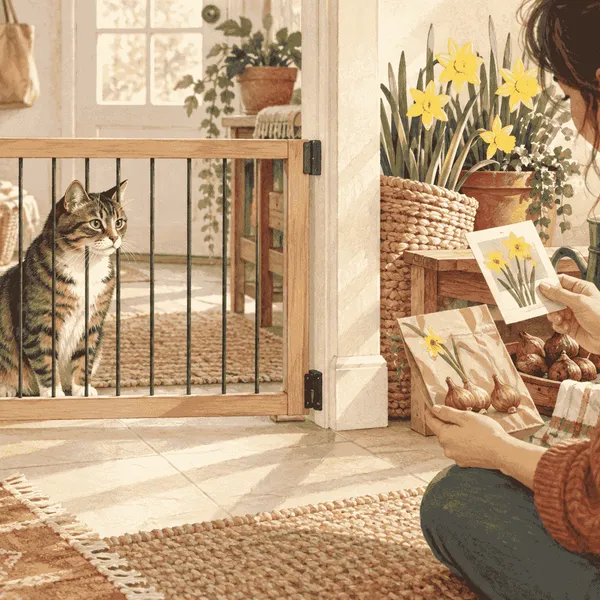
Before a new cat arrives, walk through reachable shelves, counters, windowsills, balconies, and garden doors. Save the botanical label with a photograph of each plant, and keep oils, fertilizers, pesticides, and other products in their original closed containers. Use a stable barrier or closed room where a cat could otherwise climb, pull, or investigate a new leaf.
Store your veterinarian’s number and the animal poison-control route appropriate to your location with your cat’s basic details. That preparation does not predict the seriousness of a future exposure. It shortens the path from “something was chewed” to a professional who can interpret the plant, material, timing, amount, and individual animal together.
The practical answer to “is mint toxic to cats?” is therefore precise: ASPCA lists confirmed Garden Mint (Mentha sp.) as toxic to cats and dogs, with essential oils identified as the toxic principle. Match the plant, separate products and foods, record what happened, and call before trying to treat at home.
Sources
Petzette's claim cards for this article point to the following scientific, veterinary, or animal-welfare sources.
- ASPCA Mint Plant Classification: Animal poison-control plant database and public safety guidance
- AVMA Pet First Aid: Poison Response Boundary: Veterinary-association first-aid brochure