Nutrition14 September 2026
Are Snapdragons Toxic to Cats? Check the Plant Label First
Are snapdragons toxic to cats? Match the plant label, separate a non-toxic listing from exposure, and know when to call your veterinarian.
TextPetzette Editorial
Read4 Min
Evidence status
Source-backed editorial
- Evidence record
- 3 claim cards linked to 3 documented sources.
- Independent expert review
- Not commissioned. Petzette Editorial is responsible for the published wording.
- Source record checked
- 14 September 2026
- Scope
- General information, not an individual diagnosis or treatment plan.
Are snapdragons toxic to cats? Start with the plant label, not the flower shape. The ASPCA entries for Common Snapdragon and Garden Snapdragon identify Antirrhinum majus and list that named entry as non-toxic to cats and dogs.
That is a useful classification, but it is not a permission slip for every flower sold as a snapdragon. It does not set a safe amount, make the plant edible, or promise that a cat will have no stomach upset after chewing plant material. For a new cat owner, the practical decision is to confirm the identity, prevent more access, record what may have happened, and know when professional advice is needed.
Match the Name Before You Match the Answer
Common plant names can cover more than one plant. On its Common Snapdragon entry, the ASPCA gives Garden Snapdragon as an additional common name and identifies the scientific name as Antirrhinum majus. Its separate Garden Snapdragon entry uses the same scientific name and lists the named entry as non-toxic to cats and dogs.
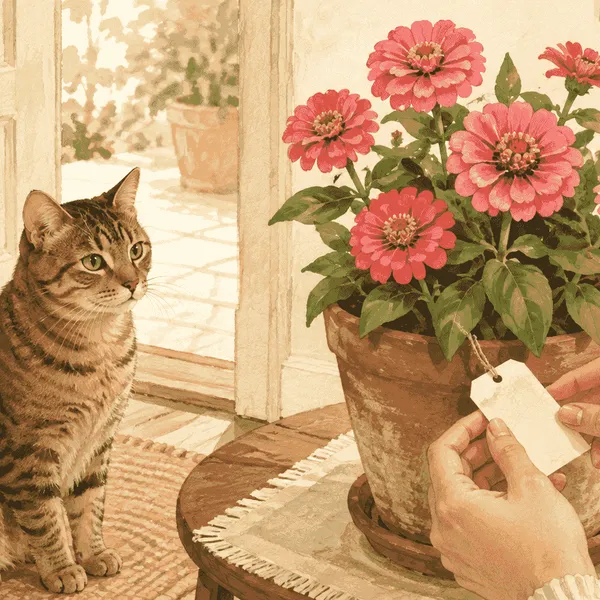
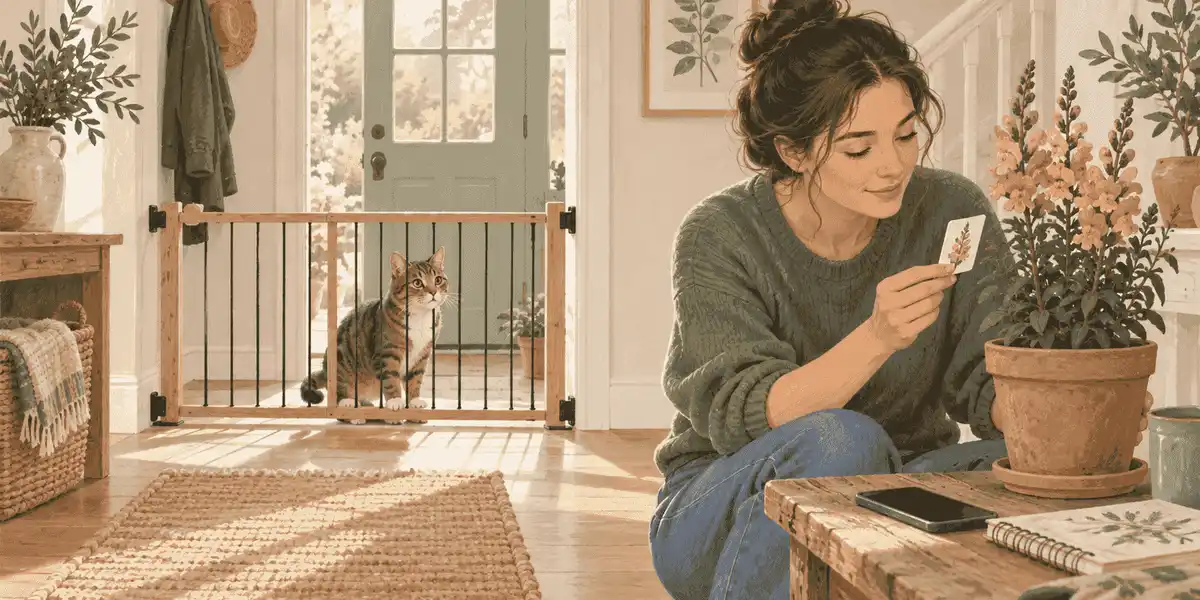
That makes the botanical identity the important part of the answer. A nursery tag, receipt, plant-listing screenshot, or clear photograph of the label is more useful than relying on a familiar flower color. If a tag says only “snapdragon,” keep that tag and photograph the whole plant. If the plant is part of a mixed bouquet, has no label, or may be a look-alike, treat the identity as uncertain rather than filling in the gap from appearance.
The ASPCA’s general plant-database guidance also explains that its list is not all-inclusive and that individual plants can differ from reference photographs. Use the plant exposure checklist for cats and dogs to keep the plant name, part, timing, and household products together. It is an identity-and-exposure record, not a list of plants a cat should eat.
“Non-Toxic” Does Not Mean Edible
In this context, “non-toxic” describes how the named plant is classified in the ASPCA database. It does not turn a houseplant or cut flower into cat food. The ASPCA overview notes that eating plant material can still cause vomiting or gastrointestinal upset in dogs and cats, including when a plant is not listed as toxic.
So keep two questions separate:
- What is the plant? If the label matches Common or Garden Snapdragon, Antirrhinum majus is listed as non-toxic to cats and dogs.
- What happened to this cat? The classification does not tell you how much was chewed, what else was on the plant, or how an individual cat will respond.
Soil, fertilizer, pesticide, flower food, vase water, and another plant in a mixed container are separate parts of the exposure. A non-toxic plant entry does not assess those materials. It also does not explain a new change in your cat’s condition.
If Your Cat May Have Chewed a Snapdragon
Keep the next step calm and factual:
- Move the plant, bouquet, or pot out of reach. Do not offer more plant material to “test” the answer.
- Keep the label, packaging, receipt, or a clear plant photograph. Write down whether the cat may have chewed a leaf, stem, flower, or another part.
- Note when you first noticed the possible exposure and whether the amount is known, unknown, or only suspected.
- Record any change from your cat’s usual condition. The timing and the whole pattern are more useful than guessing what a single sign means.

If the plant identity is uncertain, the exposure may include another product or plant, or your cat is unwell, call your veterinarian or an animal-poison-control service with those details. Keep the label available while you call. A professional can decide what information matters for this individual exposure.
Know What the Database Cannot Decide
The ASPCA listing answers a narrow question about a named plant entry. It cannot provide an individual prognosis, a safe amount, or a home-treatment plan. Vomiting or diarrhoea after a possible nibble also does not prove that the snapdragon caused the change; timing and other exposures still matter.
Do not induce vomiting, give medication, or try a household remedy unless a veterinarian or poison-control professional specifically directs you. That boundary comes from the American Veterinary Medical Association’s pet first-aid guidance. A search result or plant label cannot replace an assessment when your cat is ill.
If your cat looks well and the label confidently matches Antirrhinum majus, the useful home decision is prevention: remove access, retain the plant information, and keep watching for a change from normal. If a concerning change appears, the non-toxic classification should not delay a call.
Make the First-Year Setup Easier
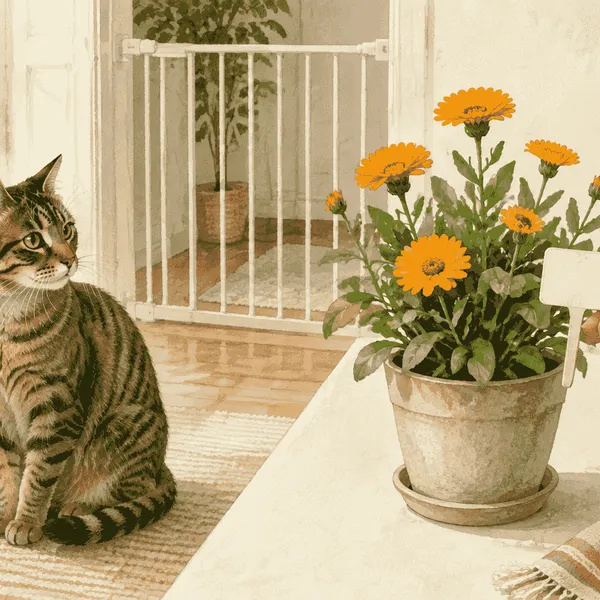
New cats often find routes to shelves, windowsills, tables, and bouquets that were not part of the household plan. Put snapdragons and mixed arrangements behind a barrier or in a room the cat cannot enter. Store fertilizer, pesticide, flower food, and plant-care tools separately. Save a photo of the label before the tag fades or the bouquet is rearranged.
For another example of why plant identity matters, the hyacinth safety check uses the bulb and exact name rather than a broad “flower” category. The decision is the same here: identify the plant first, then interpret the classification in the context of the actual exposure.
So, are snapdragons toxic to cats? ASPCA lists its named Common or Garden Snapdragon entry, Antirrhinum majus, as non-toxic to cats and dogs. Treat that as a bounded label check—not an edible-plant claim or a reason to dismiss illness—and call a veterinarian or animal-poison-control service when the identity is unclear or your cat is unwell.
Sources
Petzette's claim cards for this article point to the following scientific, veterinary, or animal-welfare sources.
- ASPCA Snapdragon Plant Classification And Label Boundary: Animal poison-control plant database and public safety guidance
- Spider Plant Poison-Control Classification And Name Check: Animal poison-control databases and veterinary manual guidance
- AVMA Pet First Aid: Poison Response Boundary: Veterinary-association first-aid brochure